

themes
Diagnosis and prognosis
About this theme:
New technologies, access to joined-up data, and novel computational modelling methods are improving our understanding of diagnosis and prognosis for people with long term neurological conditions. Our research is focussed on three key areas:
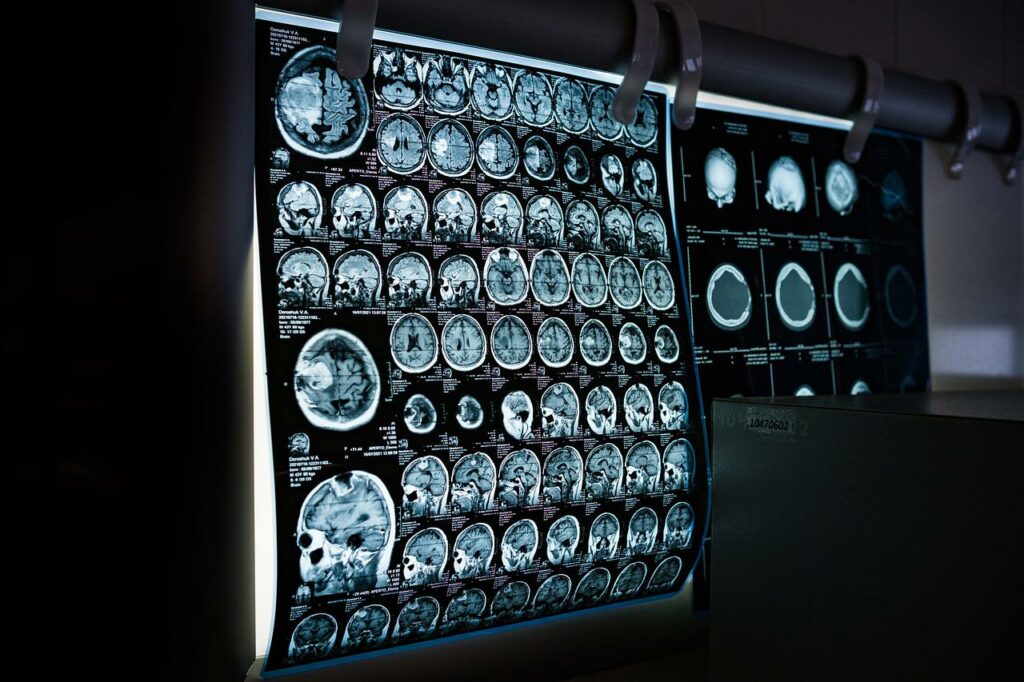
Structural and functional Neuroimaging Methods, combined with a variety of related biomarkers, are used to find associations between brain anomalies and potential causal mechanisms, to improve diagnosis and prognosis for people with dementia and other neurological conditions.
Biomarker Research explores the role of genetic and inflammatory biomarkers on the causes of neurodegeneration, underlying pathological processes, progression characteristics, and outcomes.
Data Modelling allows conclusions to be drawn from data and promotes better understanding. Applications include patterns of service use, risk factor analysis, and disease severity progression. Sources include population demographics and clinical assessment data. Methods make use of data visualisation, statistical analysis, prediction, projection, and AI methods, to better inform and support decision-making.
Researchers working under this theme:

Chris is a Consultant Neurologist with subspecialty interest in behavioural neurology and cognitive disorders, and Professor of Clinical Neurology and Dementia at University Hospital Southampton and the University of Southampton. He leads the Cognitive Disorders service at the Wessex Neurological Centre.
Chris is Clinical Director for Research and Development at...

Angus is a Senior Research Fellow within the Faculty of Medicine at the University of Southampton and Innovation Project Manager for the Southampton Emerging Therapies and Technologies (SETT) Centre.
Angus’s research interests include the optimisation of neuroimaging and other biomarkers to improve diagnosis and prognosis for those living with dementia...

Sofia is a medical physics expert (MPE) for nuclear medicine and an NIHR clinical lecturer. She supports the nuclear medicine, SPECT/CT and PET/CT services at UHS and leads the introduction of new diagnostic and therapeutic techniques.
Sofia teaches medical imaging at BSc and MSc level at the University of Southampton...

Dave is a visiting research fellow at the University of Southampton. Previously Dave was a Chartered Engineer in contract R&D, working with high-tech communications systems and medical electronics for over 30 years. Embarking on a career change, he completed his PhD ‘Modelling the Future of Dementia Care in Wessex’ in 2018.
Working with colleagues, Dave is...
Theme projects:
An interdisciplinary collaboration with clinical, data and basic scientists from the Faculty of Medicine, Biological Sciences and University Hospital Southampton...

The CADI study was focussed on a service evaluation questionnaire to determine the use of perfusion SPECT imaging to influence...
The BRAIN AI study developes targeted inflammation and imaging biomarkers. A novel diagnosis support tool is being developed to facilitate...
Featured theme publications:
Aim: To assess the clinical impact of regional cerebral blood flow (rCBF) single-photon-emission computed tomography (SPECT) imaging on diagnosis and clinician diagnostic confidence in a cohort of individuals with cognitive...
Dementia is an increasing problem in today’s ageing society, and meeting future demand for care is a major concern for policy-makers and planners. This paper presents a novel hybrid simulation...
Objectives: The aim of the study was to model dementia prevalence and outcomes within an ageing population using a novel hybrid simulation model that simultaneously takes population-level and patient-level perspectives to...
Background: Prognosis for Alzheimer’s disease is difficult, with rates of disease progression varying widely. Despite the extensive use of clinical dementia severity assessment scales to determine dementia diagnosis and to monitor...
